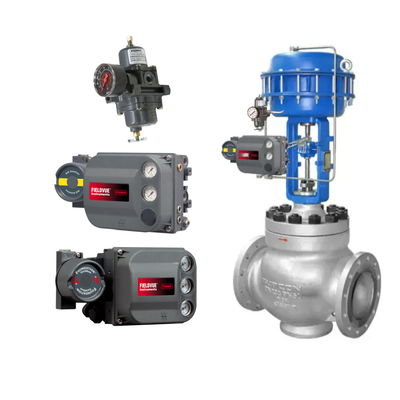
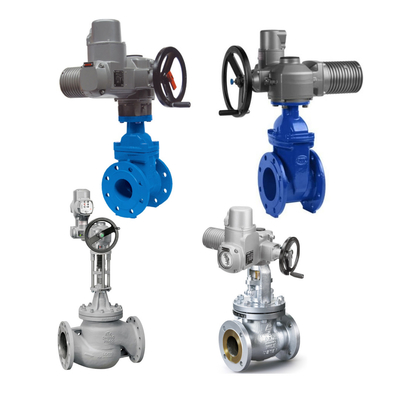
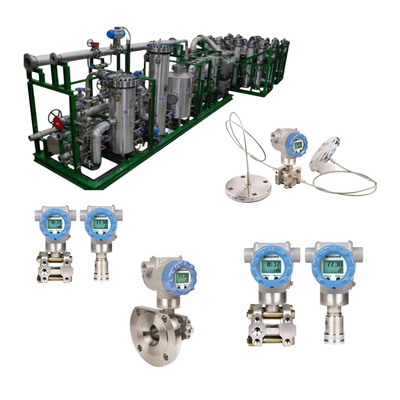
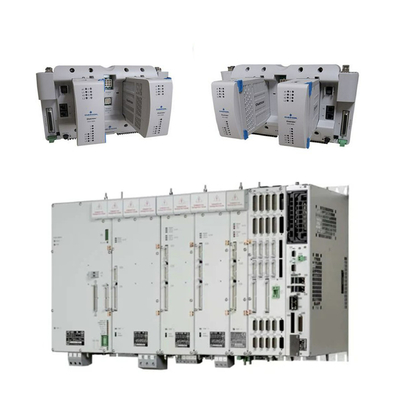
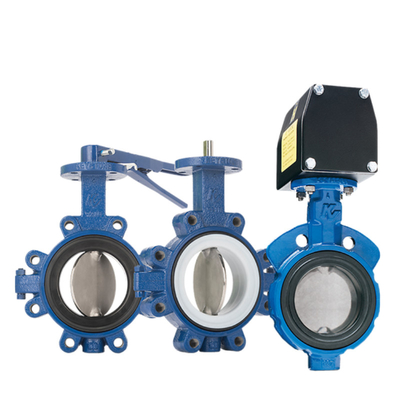
Trong giao hưởng vĩ đại của tự động hóa công nghiệp hiện đại, các bộ điều khiển như hệ thống DCS hoặc PLC đóng vai trò là các dây dẫn, phát ra các tín hiệu điện chính xác để sắp xếp các hoạt động của đường ống dẫn chất lỏng.Tuy nhiên, một khoảng cách liên tục thường tồn tại giữa các lệnh kỹ thuật số và thực thi vật lý của chúng ở mức van.Các nhà khai thác thường gặp tình huống nào khi hệ thống điều khiển cho thấy mở van 50%Hoặc các van chứng kiến những chuyển động bất thường, căng thẳng khiến các thông số quy trình biến động như tàu lượn?
Hiện tượng này, được gọi là "sự biến dạng điều khiển" trong ngôn ngữ công nghiệp, bắt nguồn từ những khiếm khuyết vốn có của van như các thiết bị điều khiển tuyến tính.mòn cơ học, và các đặc điểm không tuyến tính của bộ điều khiển tất cả âm mưu chống lại kiểm soát hoàn hảo.Nhập vị trí van này cầu nối quan trọng giữa các lệnh kỹ thuật số và chuyển động vật lý phục vụ như là không thể thiếu "nhà quản lý chính xác" trong các hệ thống điều khiển quy trìnhPhân tích này khám phá logic hoạt động, sự phát triển công nghệ và vai trò trọng tâm trong các ứng dụng công nghiệp.
I. Cơ chế cốt lõi: Nghệ thuật của "Sự thống nhất của kiến thức và hành động"
Về cơ bản, bộ định vị van hoạt động như một bộ điều khiển phản hồi cục bộ chính xác cao, được thiết kế đặc biệt để loại bỏ "điểm mù" vốn có trong các hệ thống thiết bị điều khiển tín hiệu trực tiếp.
1. So sánh tín hiệu: Từ thực thi mù đến hiệu chuẩn thời gian thực
Trong các hệ thống không có thiết bị định vị, tín hiệu 4-20mA từ bộ điều khiển trực tiếp kích hoạt các bộ điều khiển khí nén." cản trở chuyển động thân cây. Các thiết bị định vị liên tục theo dõi vị trí gốc thực tế thông qua các liên kết cơ học hoặc cảm biến điện tử không tiếp xúc,so sánh nó với các điểm thiết lập của bộ điều khiển.
2. Phản xạ khuếch đại: thiên tài của logic khí nén
Khi sự khác biệt xuất hiện giữa các điểm thiết lập và các giá trị phản hồi, người định vị không bị động.Các hệ thống vòi phun bên trong của chúng (trong các mô hình khí nén) hoặc mạch logic điện tử (trong các phiên bản thông minh) phát hiện các độ lệch nhỏ và chuyển đổi chúng thành các biến đổi tín hiệu áp suấtSự khuếch đại này đảm bảo ngay cả những thay đổi lệnh vi mô tạo ra lực khí đủ để vượt qua ma sát.
3. Phản ứng động: Đơn vị điều chỉnh liên tục
Điều này đại diện cho chức năng có giá trị nhất của các thiết bị định vị.Các thiết bị định vị liên tục điều chỉnh áp suất tải không khí Ứng dụng như "công cụ huấn luyện cá nhân" không ngừng cho vanKhi ma sát làm chậm chuyển động, chúng tăng áp suất cho đến khi van vượt qua kháng cự và đạt đến các vị trí mục tiêu, hiệu quả trung hòa các khiếm khuyết cơ học.
II. Biến đổi công nghệ: Từ cân bằng cơ học đến trí thông minh kỹ thuật số
Lịch sử kiểm soát công nghiệp phản ánh sự theo đuổi không ngừng của nhân loại về độ chính xác và trí thông minh, với các thiết bị định vị van minh họa rõ ràng quỹ đạo này.
Máy định vị khí nén: đỉnh điểm của sự cân bằng cơ học
Các mô hình khí nén đầu tiên hoàn toàn dựa vào sự cân bằng lực vật lý.Xây dựng đơn giản và an toàn nội tại của chúng (đặc điểm chống nổ tuyệt vời) vẫn còn có liên quan trong các ứng dụng hóa dầu ngày nayTuy nhiên, việc hiệu chuẩn của chúng giống như "sculpting vi mô", đòi hỏi các kỹ thuật viên có tay nghề phải điều chỉnh kỹ lưỡng các liên kết và căng xuân, dẫn đến chi phí bảo trì cao.
Máy định vị điện khí: Phối hợp điện khí khí
Với việc tiêu chuẩn hóa tín hiệu 4-20mA, các thiết bị định vị điện khí nén xuất hiện.Thế hệ này cải thiện đáng kể tốc độ phản hồi và đơn giản hóa các kết nối thiết bị phòng điều khiển, thống trị các ứng dụng công nghiệp trong nhiều thập kỷ.
Máy định vị kỹ thuật số thông minh: Những người tiên phong của IoT công nghiệp
Đại diện cho một tính độc đáo công nghệ, các thiết bị định vị thông minh được trang bị vi xử lý chuyển đổi điều khiển tương tự thành thuật toán kỹ thuật số.chúng truyền truyền thời gian thực chẩn đoán van (sự ma sát, du lịch, tiêu thụ không khí) thông qua HART, Foundation Fieldbus, hoặc giao thức Profibus.chúng cho phép bảo trì dự đoán phân tích xu hướng hoạt động để dự đoán nhu cầu thay thế bao bì hoặc bôi trơn, ngăn chặn việc ngừng hoạt động không dự kiến.
III. Đề xuất giá trị công nghiệp: Tại sao người định vị là không thể thiếu
Trong các nhà máy hiện đại theo đuổi sự xuất sắc trong hoạt động, máy định vị van đã chuyển từ phụ kiện tùy chọn sang các thành phần thiết yếu, mang lại giá trị trên bốn chiều:
1. Định tuyến các phản ứng phi tuyến tính
Các van tự nhiên cư xử không tuyến tính. Máy định vị thông minh có thể sửa đổi kỹ thuật số các đặc điểm dòng chảy (ví dụ: chuyển đổi mở nhanh thành các đặc điểm tỷ lệ tương đương),chống lại các vùng chết do ma sát hoặc ăn mòn đóng gói để đạt được tính tuyến tính lệnh-phản ứng.
2. Tăng tốc phản ứng điều khiển
Các van đường kính lớn hoặc các kịch bản chênh lệch áp suất cao đòi hỏi lưu lượng không khí đáng kể để kích hoạt nhanh.Các bộ khuếch đại tích hợp của bộ định vị cung cấp khối lượng không khí lớn hơn nhiều so với các bộ chuyển đổi I / P tiêu chuẩn, đảm bảo phản ứng nhanh chóng trong các điều chỉnh lớn và ngăn ngừa dao động hệ thống từ sự chậm trễ phản hồi.
3Tăng tính linh hoạt của quy trình: Kiểm soát phân chia phạm vi
Các quy trình phức tạp đôi khi yêu cầu một tín hiệu điều khiển duy nhất để vận hành nhiều van (ví dụ, một để sưởi ấm, một khác để làm mát).0-50% đối với van A, 50-100% cho van B), mở rộng đáng kể khả năng kiểm soát quy trình.
4Đảm bảo Khóa chặt chẽ: tuyến phòng thủ cuối cùng
Đối với các ứng dụng cách ly quan trọng, rò rỉ van là không thể chấp nhận được.đảm bảo niêm phong kín để đảm bảo an toàn quá trình.
IV. Khả năng tương lai: Cuộc cách mạng dựa trên dữ liệu
Nhìn vào các vị trí như là "cơ nod dữ liệu" cho thấy ý nghĩa sâu sắc hơn của chúng trong bối cảnh Công nghiệp 4.0.Dữ liệu chẩn đoán từ các thiết bị định vị cung cấp thông tin chi tiết về sức khỏe của toàn bộ mạch chất lỏng.
Ví dụ, xu hướng ma sát động cơ tăng dần thường chỉ ra việc đóng gói già đi hoặc quy mô thân.Việc bảo trì dự đoán dựa trên dữ liệu này chuyển việc bảo trì nhà máy từ "sửa chữa sau khi thất bại" sang các mô hình "theo nhu cầu" giảm hàng tồn kho phụ tùng thay thế trong khi giảm thiểu thời gian ngừng hoạt động bất ngờ.
Hơn nữa, khi AI thâm nhập vào các lĩnh vực công nghiệp, các thiết bị định vị thế hệ tiếp theo sẽ có khả năng tự học.Chúng sẽ tự động tối ưu hóa các thông số PID dựa trên tính chất của chất lỏng và thay đổi môi trường, đạt được kiểm soát thích nghi thực sự.Sự đổi mới này sẽ định nghĩa lại cơ bản quy định van ◄ biến van từ các thành phần cơ học thụ động thành các thiết bị đầu cuối thông minh có khả năng tự chẩn đoán, tự tối ưu hóa, và thậm chí tự tiến hóa.
V. Kết luận: Nền tảng của kiểm soát chính xác
Quay lại câu hỏi ban đầu: Tại sao van đôi khi "không tuân theo" lệnh?Các thiết bị định vị van sử dụng kiểm soát vòng lặp đóng để chuyển đổi những sự không chắc chắn cơ học này thành những sự chắc chắn có thể quản lý được.
Đối với các chuyên gia trong tự động hóa công nghiệp, thiết bị, hoặc tối ưu hóa quy trình,hiểu cơ học vị trí vượt qua việc khắc phục sự cố biến động ngay lập tức ≈ nó là về xây dựng rất ổn địnhTrong việc theo đuổi sự xuất sắc trong sản xuất,lựa chọn và cấu hình đúng vị trí van hiệu suất cao là bước đầu tiên thiết yếu để đạt được kiểm soát quá trình chính xác, chất lượng sản phẩm vượt trội, và an toàn hoạt động.
Cho dù nâng cấp thiết bị cổ điển hoặc thiết kế các cơ sở mới, hãy nhớ: các thiết bị định vị van không chỉ phục vụ như "định chuẩn" van, mà còn là "thiên thần bảo vệ" của các hệ thống tự động hóa công nghiệp.Thông qua bù đắp động ở mức độ millisecond, họ im lặng duy trì sự ổn định quá trình, đảm bảo giao hưởng công nghiệp luôn chơi theo nhịp điệu hoàn hảo.