How Industrial Dust and Gas Monitoring Supports Process Safety
Dust and hazardous gases are present in many industrial processes, from cement and steel manufacturing to chemical processing, power generation, refining and waste treatment.
When dust or gas concentrations change unexpectedly, the problem may indicate equipment failure, abnormal combustion, leakage, poor filtration or another process condition that requires attention.
For this reason, industrial dust and gas monitoring is not only an emissions-control function. It can also provide useful information for process safety, equipment protection and early fault detection.
1. Why Monitor Industrial Dust and Gas?
Industrial processes can generate particulate matter and various gases.
Examples include:
-
Combustion gases
-
Process gases
-
Acid gases
-
Hydrocarbons
-
Dust
-
Fine particulate matter
-
Combustion by-products
Without continuous measurement, changes in concentration may remain unnoticed until they become a larger operational or environmental problem.
Continuous monitoring provides process teams with information about what is happening in exhaust streams and other monitored areas.
2. Dust Monitoring and Equipment Protection
Dust concentration can provide useful information about the condition of filtration and emission-control equipment.
For example, a sudden increase in dust downstream of a filter may indicate:
Early detection allows operators to investigate the problem before it results in larger equipment or environmental issues.
Dust monitoring can therefore be used as part of a broader equipment condition monitoring strategy.
3. Gas Monitoring for Process Safety
Gas analyzers can measure specific components in process or exhaust gases.
Depending on the application, measurements may include:
The correct gas analyzer depends on the process, target gas, concentration range, temperature, pressure and sample conditions.
4. Detecting Abnormal Process Conditions
Changes in gas concentration can sometimes indicate a change in the process itself.
For example, unexpected oxygen or carbon monoxide changes may indicate a change in combustion conditions.
Similarly, an abnormal hydrocarbon concentration may indicate a process leak or other unwanted release.
The measurement does not automatically identify the root cause. Instead, it provides an early signal that can be combined with other process measurements.
5. Dust and Gas Data Should Be Used Together
A single measurement point rarely provides the complete picture.
For example, dust concentration can be evaluated together with:
This creates a more complete picture of the process.
A typical monitoring system may therefore include:
Dust Analyzer + Gas Analyzer + Flow Measurement + Pressure + Temperature
The signals can then be integrated into the plant control or monitoring system.
6. Continuous Emissions Monitoring
Continuous emissions monitoring systems, commonly known as CEMS, are used to continuously measure selected pollutants or process parameters in industrial exhaust streams.
Depending on the application and regulatory requirements, CEMS may monitor gases and other emission-related parameters.
Continuous measurement provides several advantages:
-
Faster detection of abnormal emissions
-
Better visibility of process conditions
-
More consistent data
-
Support for environmental compliance
-
Faster response to equipment problems
The exact parameters required depend on the process and applicable regulations.
7. Hazardous Industrial Environments
Some monitoring equipment must operate in harsh or hazardous environments.
Important considerations may include:
Equipment installed in hazardous areas may require appropriate certification for the specific zone and application.
The selection should therefore consider the complete installation environment rather than only the measurement range.
8. Where Is Dust and Gas Monitoring Used?
Industrial dust and gas monitoring can be found in many sectors.
Cement Plants
Dust monitoring can help track particulate emissions and filter performance around kilns and other process equipment.
Steel Manufacturing
Gas monitoring may be used around furnaces, combustion systems and process gas handling.
Power Generation
Dust and gas measurement can support combustion monitoring and emissions control.
Chemical Plants
Gas analysis can help monitor process conditions and detect changes in gas composition.
Oil and Gas
Gas detection and process analysis are important around hydrocarbon handling and processing systems.
Waste Incineration
Continuous monitoring can help track combustion and emissions from waste treatment processes.
9. What Should Be Considered When Selecting a Dust Monitor?
Important selection factors include:
Different measurement technologies may be appropriate for dry, wet, high-temperature or highly variable gas streams.
10. What Should Be Considered When Selecting a Gas Analyzer?
Start with the target gas and required measurement range.
Then consider:
The sample system can be just as important as the analyzer itself, particularly when the process gas contains moisture, dust or corrosive components.
11. Connecting Monitoring Data to Process Control
Modern monitoring systems can connect measurement devices with plant automation systems.
Depending on the installation, data may be transmitted through:
The measurement data can then be displayed through a DCS, PLC, SCADA or asset-management platform.
This allows operators to see changes in dust and gas conditions alongside other process variables.
12. From Emission Monitoring to Process Safety
The role of industrial monitoring is expanding beyond regulatory reporting.
A well-designed measurement system can also support:
Detection → Alarm → Investigation → Corrective Action
For example:
Dust Increase → Filter Condition Check
or:
Gas Concentration Change → Process Condition Investigation
The monitoring system does not replace process safety procedures, gas detection systems or operator judgment. Instead, it provides additional measurement data that can support faster and better-informed decisions.
Conclusion
Industrial dust and gas monitoring can support both environmental management and process safety.
Continuous measurement can provide early information about:
-
Filter problems
-
Abnormal combustion
-
Process changes
-
Gas leaks
-
Emission increases
-
Equipment problems
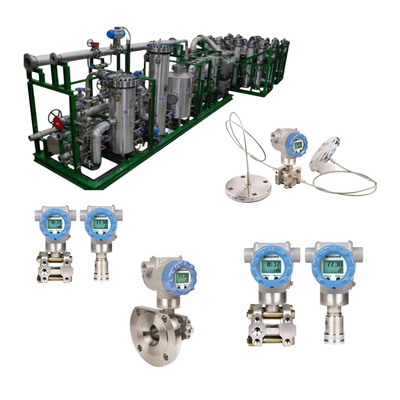
A complete monitoring solution may combine dust analyzers, gas analyzers, flow meters, pressure transmitters and temperature instruments.
The correct system depends on the process conditions, target substances, measurement range, installation environment and applicable requirements.
We can supply industrial measurement and analytical instruments from manufacturers including ABB, Endress+Hauser, Siemens, Yokogawa, VEGA, KROHNE and other brands.
If you are planning an industrial dust or gas monitoring project, provide the process medium, measurement point, temperature, pressure and target gas or dust range for configuration review.